Clinical philosophy
Understanding the patterns
An introduction to relational psychoanalysis and the experiences that shape how we feel and relate.

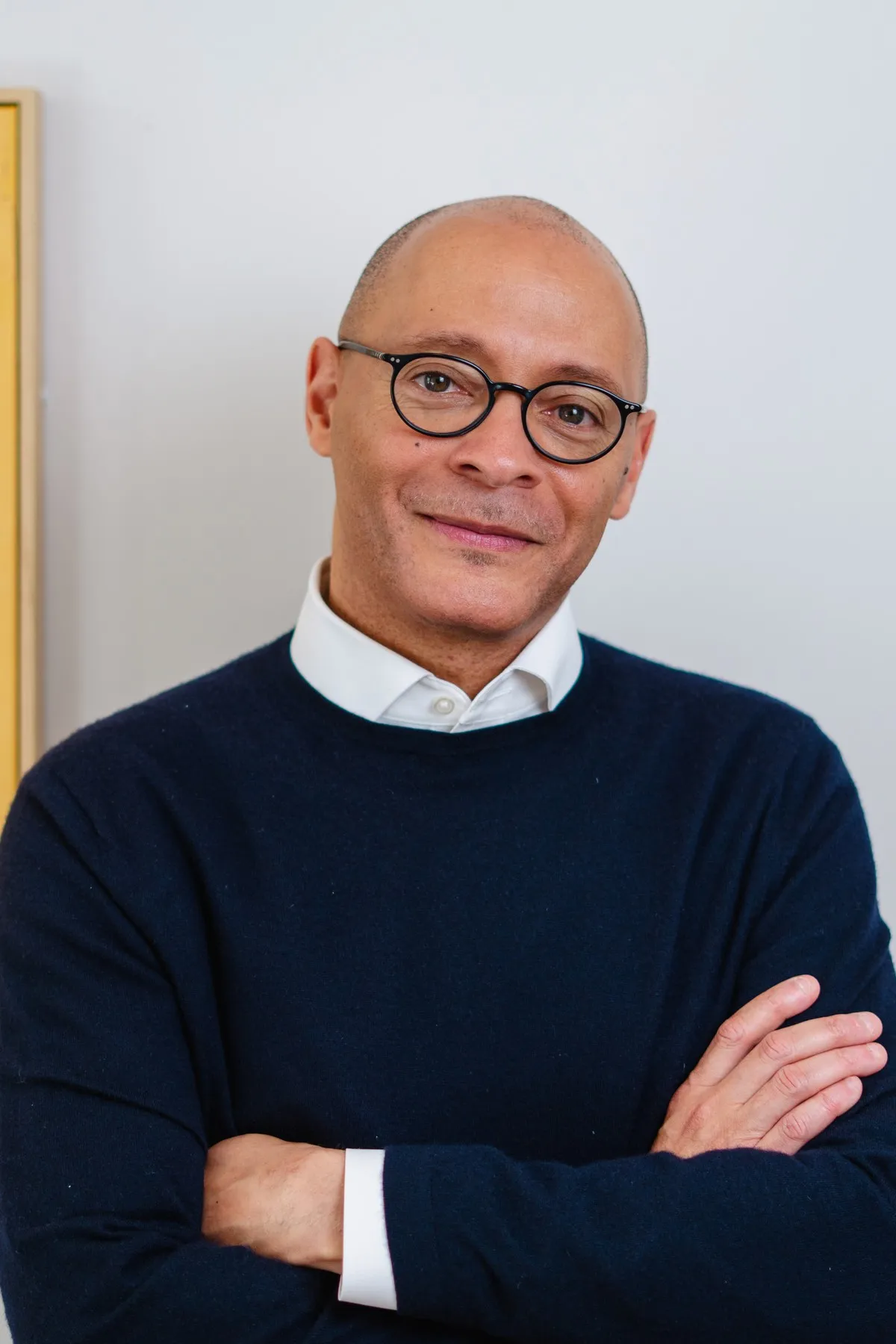
Vincent Handon, MPS/LP
4 min read

I practice relational, modern psychoanalytic therapy. We look beyond symptom management to what shapes the symptoms. Your history, relationships, and meanings matter. Our relationship becomes a safe place to try new ways of being.
Whole-story inquiry
Early on, I use a detailed inquiry. The questions we linger on help us map what formed you:
What you survived
What you had to leave behind
What keeps showing up
We return to these reference points as you grow. New things reveal themselves and feelings shift over time.

The office in Manhattan.
An orienting principle, not a technique
This inquiry reveals your narrative and lived experience. It keeps us asking a simple guiding question:
What do you need from me right now so that something new can happen, or move to resolution?
That question steadies us when things feel fast or murky and helps us fit the work to you rather than the other way around.
How this differs from CBT
We focus on understanding and meaning as the path to durable change. Skills can be integrated when helpful.
How this feels in practice
Early sessions move at a thoughtful pace. We set a focus together, follow what is most alive, and pause to notice moments where something shifts.

Depth and attunement
In our work together you will engage in deep and thoughtful work with someone who is attuned and truly focused on you.
Noticing in the moment
You and I pay close attention to what happens between us in the room, pausing to notice small shifts and trying out new ways of relating.
From patterns to choices
Over time, connecting these dots and testing new ways of being will clarify your path, allowing new choices to make sense both inside and outside of therapy.
Where to begin
Talk first. A brief call to see what you want and whether this is a fit.
First session. We map your story, patterns, and the questions that keep returning.
Ongoing work. As we connect the dots, the path clarifies and life outside of therapy does too.
Lasting change. The goal is to go beyond symptoms to create lasting change that comes from a foundational, integrated understanding of yourself.
Vincent Handon, MPS/LP
Licensed Psychoanalyst in New York, trained at The National Institute for the Psychotherapies.